
Introduction

When most people think about their gut health, they immediately picture probiotics, fermented foods, or supplements. But what if I told you that your gut health begins much further up, in your mouth?
Every swallow of saliva carries billions of bacteria into your digestive tract. Some are beneficial, while others are harmful and can upset the delicate balance of microbes that live in your intestines.
This constant stream of oral bacteria creates what scientists now call the “oral–gut axis.”
It is a direct line of communication between the mouth and the gut, and when it is disturbed, it can fuel disease not only in your digestive system but throughout your body.
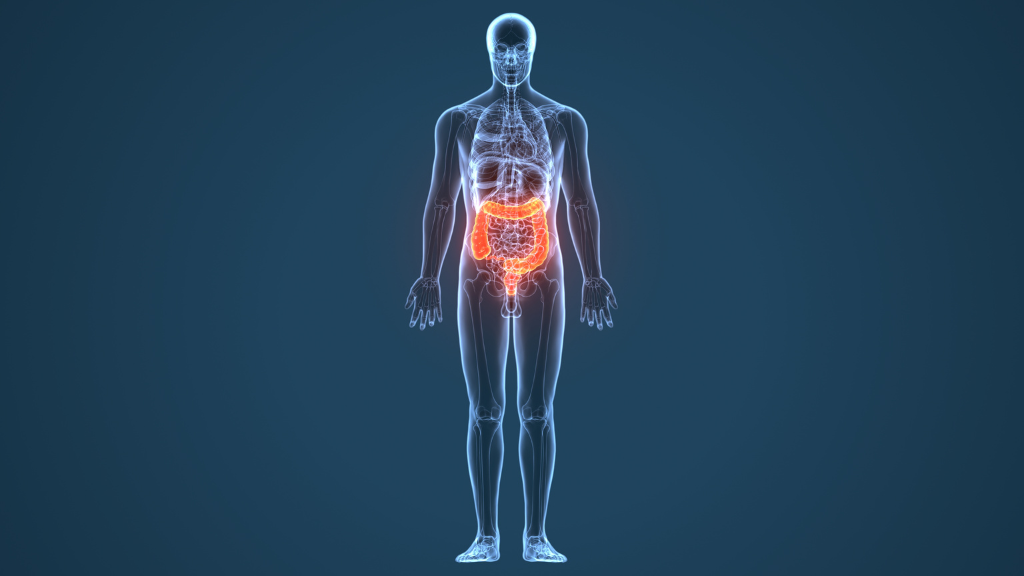
How the Oral Microbiome Feeds into the Gut
The mouth is one of the most densely colonized areas of the human body, second only to the colon itself.
Under normal circumstances, healthy oral bacteria travel into the gut and support diversity, which helps digestion and immune balance. But when the mouth is inflamed or affected by gum disease, the bacterial profile changes.
Harmful bacteria such as Porphyromonas gingivalis or Fusobacterium nucleatum begin to dominate. These organisms do not remain confined to the mouth. They are swallowed repeatedly, survive passage through the stomach, and influence the gut microbiome by competing with resident bacteria, releasing toxins, and priming the immune system for excessive inflammation.

This means that gum disease and poor oral hygiene can have effects that extend far beyond bad breath or tooth loss. They can tip the gut microbiome into dysbiosis, which is a state of imbalance that is now linked to a wide range of conditions, from inflammatory bowel disease to colorectal cancer.
Pathways of Influence

Researchers have identified several ways in which oral bacteria affect gut health.
Some bacteria are capable of directly colonising the gut, changing the microbial ecosystem by sheer numbers. Others secrete enzymes and toxins, such as gingipains from P. gingivalis, that interfere with microbial metabolism or damage the gut lining.
Perhaps most importantly, the immune system itself is influenced. Oral dysbiosis “primes” immune cells, making them hyperreactive. When these immune cells encounter bacteria in the gut, they trigger chronic inflammation rather than tolerance.
A Quick Guide: Oral–Gut Interactions
| Oral Condition | Impact on Gut | Consequence |
| Healthy oral microbiome | Supports microbial diversity | Stable digestion, balanced immunity |
| Gum disease (periodontitis) | Pathogens swallowed in high numbers | Gut dysbiosis, inflammatory triggers |
| Chronic oral inflammation | Constant immune stimulation | Gut immune system becomes overreactive |
| Poor oral hygiene | Increases harmful bacterial load | Raises risk of inflammatory bowel conditions |
Conditions Affected by the Oral–Gut Axis
The oral–gut connection is not just about discomfort or bloating.
A growing body of evidence now links oral bacteria to serious systemic conditions, many of which begin with inflammation in the gut.
| Condition | Oral Bacteria Involved | Mechanism |
| Inflammatory bowel disease | P. gingivalis, Klebsiella spp., F. nucleatum | Disrupts gut flora, worsens mucosal inflammation |
| Type 2 diabetes | P. gingivalis, Prevotella spp. | Oral inflammation worsens insulin resistance; gut dysbiosis fuels metabolic imbalance |
| Obesity and metabolic syndrome | P. gingivalis, T. forsythia | Chronic inflammation alters gut hormones and energy metabolism |
| Colorectal cancer | F. nucleatum | Promotes tumor growth, suppresses local immune defense |
| Liver disease (NAFLD) | P. gingivalis, T. forsythia | Oral bacteria migrate to liver via gut and bloodstream, increasing fat deposition and scarring |
Why This Connection Matters

When you look at the research, one message becomes clear: gut health does not begin in the gut. It begins with oral health.
Gum disease, cavities, and chronic oral inflammation act like a continuous drip-feed of pathogens into the gut, which destabilizes the ecosystem that should be protecting you.
The result is not only digestive illness but an increased risk of metabolic disease, cancer, and systemic inflammation.
Conclusion
If you want to improve your digestion, balance your immunity, or protect yourself against inflammatory disease, it makes sense to start with your mouth.
Brushing, flossing, and regular professional care are more than cosmetic routines. They are the first and most critical step in safeguarding your gut and, by extension, your overall health.